Economic hardships pushs girls into commercial sex working.
- Chipo Basira
- 16 Sep, 2025

Economic hardships pushs girls into commercial sex working.
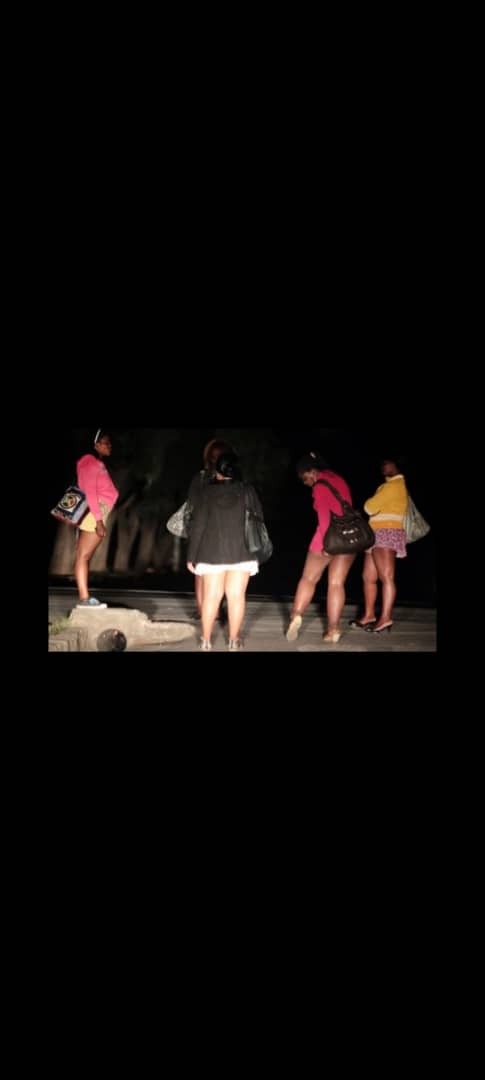
Zimbabwe is grappling with a surge in commercial sex work, particularly among young girls, due to the country's dire economic situation.
A 2022 report by the Zimbabwe National Statistics Agency revealed that 59.6% of women in Zimbabwe are unemployed, forcing many to engage in sex work to survive.
Poverty, unemployment, and limited access to education are the underlying causes of this issue.
Many individuals lack stable income sources, and the high unemployment rate, especially among women, contributes to the rise in sex work. Insufficient education and job opportunities limit young people's career choices, making sex work a viable option.
The consequences are dire. Sex workers face significant health risks, including high rates of HIV infection.
According to 2017 statistics, the HIV prevalence rate among sex workers is 55% compared to the national average of 13%.
Stigma surrounding sex work also makes it difficult for individuals to access support services and advocate for their rights.
To address this issue, organizations are providing job training, vocational skills, and microfinance support to empower individuals to start businesses and achieve economic stability.
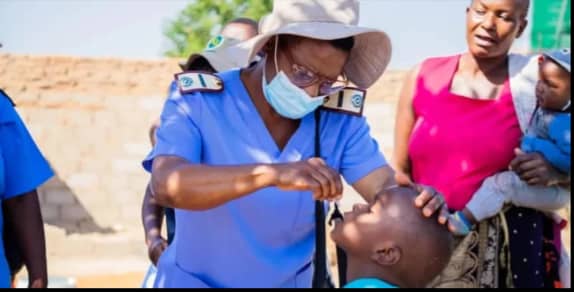
Healthcare services, including HIV testing and treatment, are also being provided to mitigate health risks.
Community engagement and awareness are crucial in reducing stigma and promoting understanding.
Advocacy and policy reform are also essential in protecting the rights of sex workers and promoting their safety and well-being.
Empowering sex worker-led organizations and advocating for policy reforms can help create a more just and equitable society.
According to recent estimates, there are approximately 44,586 sex workers operating in Zimbabwe, with 13,000 in Harare and 7,000 in Bulawayo.
The HIV prevalence rate among sex workers varies by site, with Harare at 54.4% and Bulawayo at 54.2%.
Leave a Reply
Your email address will not be published. Required fields are marked *
Search
Category